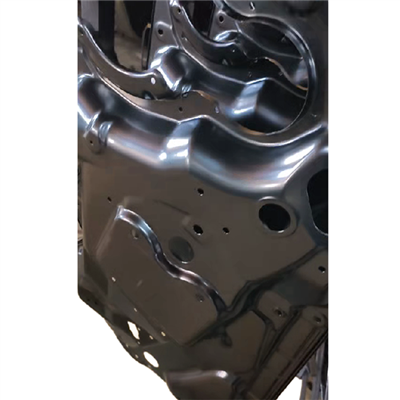

As a supplier of Cathodic Epoxy Electrocoat, I've had the privilege of diving deep into the world of corrosion inhibitors used in this specialized coating. Cathodic epoxy electrocoat is a crucial process in many industries, especially in automotive manufacturing, where it provides excellent corrosion protection and adhesion. Let's take a closer look at the different types of corrosion inhibitors commonly used in cathodic epoxy electrocoat.
Inorganic Corrosion Inhibitors
One of the most widely used types of corrosion inhibitors in cathodic epoxy electrocoat is inorganic inhibitors. These inhibitors work by forming a protective layer on the metal surface, preventing the corrosion process from occurring. Some common inorganic corrosion inhibitors include chromates, phosphates, and molybdates.
Chromates have long been used as effective corrosion inhibitors due to their ability to passivate the metal surface. However, due to environmental concerns, the use of chromates has been restricted in many countries. Phosphates, on the other hand, are a more environmentally friendly alternative. They work by forming a phosphate layer on the metal surface, which provides a barrier against corrosion. Molybdates are also effective corrosion inhibitors, and they can be used in combination with other inhibitors to enhance their performance.
Organic Corrosion Inhibitors
Organic corrosion inhibitors are another important type of inhibitor used in cathodic epoxy electrocoat. These inhibitors work by adsorbing onto the metal surface and forming a protective film. Some common organic corrosion inhibitors include amines, imidazoles, and benzotriazoles.
Amines are often used as corrosion inhibitors in cathodic epoxy electrocoat because they can react with the metal surface to form a protective layer. Imidazoles are also effective corrosion inhibitors, and they can be used in combination with other inhibitors to enhance their performance. Benzotriazoles are commonly used to protect copper and copper alloys from corrosion. They work by forming a complex with the metal surface, which provides a barrier against corrosion.
Hybrid Corrosion Inhibitors
Hybrid corrosion inhibitors are a combination of inorganic and organic inhibitors. These inhibitors offer the advantages of both types of inhibitors, providing excellent corrosion protection and adhesion. Hybrid corrosion inhibitors are often used in cathodic epoxy electrocoat to enhance the performance of the coating.
One example of a hybrid corrosion inhibitor is a combination of a phosphate and an organic inhibitor. The phosphate provides a protective layer on the metal surface, while the organic inhibitor adsorbs onto the metal surface and forms a protective film. This combination provides excellent corrosion protection and adhesion, making it an ideal choice for cathodic epoxy electrocoat.
Factors Affecting the Performance of Corrosion Inhibitors
The performance of corrosion inhibitors in cathodic epoxy electrocoat can be affected by several factors, including the type of metal, the coating thickness, the pH of the coating, and the presence of other chemicals.
The type of metal can have a significant impact on the performance of corrosion inhibitors. Different metals have different corrosion rates and require different types of inhibitors. For example, steel requires a different type of inhibitor than aluminum. The coating thickness can also affect the performance of corrosion inhibitors. A thicker coating provides better protection against corrosion than a thinner coating.
The pH of the coating can also affect the performance of corrosion inhibitors. Most corrosion inhibitors work best at a specific pH range. If the pH of the coating is outside this range, the performance of the inhibitor may be reduced. The presence of other chemicals in the coating can also affect the performance of corrosion inhibitors. Some chemicals can react with the inhibitor and reduce its effectiveness.
Applications of Cathodic Epoxy Electrocoat
Cathodic epoxy electrocoat is widely used in many industries, including automotive, aerospace, and electronics. In the automotive industry, cathodic epoxy electrocoat is used to provide corrosion protection and adhesion to the metal parts of the vehicle. It is also used to improve the appearance of the vehicle by providing a smooth and uniform finish.
In the aerospace industry, cathodic epoxy electrocoat is used to protect the metal parts of the aircraft from corrosion. It is also used to improve the performance of the aircraft by reducing drag and improving fuel efficiency. In the electronics industry, cathodic epoxy electrocoat is used to protect the printed circuit boards from corrosion and to improve their performance.
Conclusion
In conclusion, corrosion inhibitors play a crucial role in the performance of cathodic epoxy electrocoat. Inorganic, organic, and hybrid corrosion inhibitors are all commonly used in cathodic epoxy electrocoat to provide excellent corrosion protection and adhesion. The performance of these inhibitors can be affected by several factors, including the type of metal, the coating thickness, the pH of the coating, and the presence of other chemicals.
If you're in the market for high-quality cathodic epoxy electrocoat, we're here to help. Our products are formulated with the latest corrosion inhibitors to provide excellent protection and performance. Whether you're in the automotive, aerospace, or electronics industry, we have the right solution for you. Electrophoretic Coatings For Automobiles are just one of the many options we offer. We also have Water Based 2 Pack Paint and Waterborne Clear Coat to meet your specific needs.
If you're interested in learning more about our products or have any questions, please don't hesitate to contact us. We'd love to discuss your requirements and find the best solution for your project.

References
- Jones, D. A. (1996). Principles and Prevention of Corrosion. Prentice Hall.
- Uhlig, H. H., & Revie, R. W. (1985). Corrosion and Corrosion Control: An Introduction to Corrosion Science and Engineering. Wiley.
- Fontana, M. G. (1986). Corrosion Engineering. McGraw-Hill.