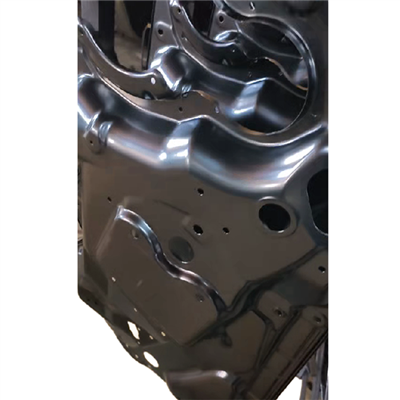

Hey there! As a supplier of Cationic Epoxy Electrocoat, I often get asked about the differences between this method and other electrocoating techniques. In this blog post, I'll break down the key distinctions to help you understand why Cationic Epoxy Electrocoat might be the right choice for your project.
What is Electrocoating?
Before we dive into the differences, let's quickly go over what electrocoating is. Electrocoating, also known as electrodeposition coating, is a process where paint is applied to a conductive surface using an electric current. It's a popular method in the automotive, appliance, and other industries because it provides a uniform, high-quality finish that's resistant to corrosion and other forms of damage.
There are two main types of electrocoating: anodic and cathodic. Anodic electrocoating involves depositing a negatively charged paint onto a positively charged substrate, while cathodic electrocoating deposits a positively charged paint onto a negatively charged substrate. Cationic Epoxy Electrocoat is a type of cathodic electrocoating.


How Cationic Epoxy Electrocoat Works
Cationic Epoxy Electrocoat uses a positively charged epoxy resin that's attracted to a negatively charged substrate. When an electric current is applied, the resin particles are deposited onto the surface of the substrate, forming a protective coating. This process is highly efficient and can produce a very uniform coating, even on complex shapes.
One of the key advantages of Cationic Epoxy Electrocoat is its excellent corrosion resistance. The epoxy resin forms a strong bond with the substrate, creating a barrier that protects against rust and other forms of corrosion. This makes it ideal for applications where the coated surface will be exposed to harsh environments, such as automotive parts, industrial equipment, and outdoor structures.
Differences from Other Electrocoating Methods
Anodic Electrocoating
Anodic electrocoating has been around for a long time and was one of the first electrocoating methods developed. However, it has some limitations compared to Cationic Epoxy Electrocoat.
- Corrosion Resistance: Anodic electrocoating generally provides less corrosion resistance than cathodic electrocoating. This is because the anodic process deposits a negatively charged paint onto a positively charged substrate, which can lead to some corrosion at the interface between the paint and the substrate. In contrast, Cationic Epoxy Electrocoat forms a strong bond with the substrate, providing better protection against corrosion.
- Coating Thickness: Anodic electrocoating typically produces a thinner coating than Cationic Epoxy Electrocoat. This can be a disadvantage in applications where a thicker coating is needed for better protection. Cationic Epoxy Electrocoat can be applied in thicker layers, providing more durability and protection.
- Environmental Impact: Anodic electrocoating often uses solvents and other chemicals that can be harmful to the environment. Cationic Epoxy Electrocoat, on the other hand, is a water-based paint, which is more environmentally friendly. You can learn more about Water Based Industrial Paint on our website.
Other Cathodic Electrocoating Methods
There are other types of cathodic electrocoating besides Cationic Epoxy Electrocoat, such as acrylic and urethane electrocoating. While these methods also offer good corrosion resistance, they have some differences compared to Cationic Epoxy Electrocoat.
- Chemical Resistance: Cationic Epoxy Electrocoat has excellent chemical resistance, making it suitable for applications where the coated surface will be exposed to chemicals or solvents. Acrylic and urethane electrocoating may not provide the same level of chemical resistance.
- Adhesion: Cationic Epoxy Electrocoat forms a strong bond with the substrate, providing good adhesion. This is important for applications where the coating needs to stay in place under harsh conditions. Acrylic and urethane electrocoating may have lower adhesion in some cases.
- Cost: Cationic Epoxy Electrocoat can be more cost-effective than some other cathodic electrocoating methods, especially for large-scale applications. The cost of the paint and the equipment needed for the process are often lower, making it a more economical choice.
Benefits of Cationic Epoxy Electrocoat
- Uniform Coating: Cationic Epoxy Electrocoat provides a very uniform coating, even on complex shapes. This is because the electric current ensures that the paint is evenly distributed across the surface of the substrate.
- High Quality Finish: The resulting coating has a high-quality finish that's smooth and free of defects. This makes it suitable for applications where appearance is important, such as automotive parts and consumer products.
- Durability: Cationic Epoxy Electrocoat is highly durable and resistant to corrosion, abrasion, and other forms of damage. This means that the coated surface will last longer and require less maintenance.
- Environmental Friendliness: As a water-based paint, Cationic Epoxy Electrocoat is more environmentally friendly than some other electrocoating methods. It produces less volatile organic compounds (VOCs) and is easier to dispose of.
Applications of Cationic Epoxy Electrocoat
Cationic Epoxy Electrocoat is used in a wide range of applications, including:
- Automotive Industry: It's commonly used to coat automotive parts, such as car bodies, frames, and engine components. The excellent corrosion resistance and high-quality finish make it ideal for this industry.
- Appliance Industry: Many household appliances, such as refrigerators, washing machines, and dishwashers, are coated with Cationic Epoxy Electrocoat to protect them from corrosion and improve their appearance.
- Industrial Equipment: Cationic Epoxy Electrocoat is used to coat industrial equipment, such as machinery, tools, and storage tanks. It provides a durable and protective coating that can withstand harsh environments.
- Construction Industry: It can be used to coat building materials, such as steel beams and pipes, to protect them from corrosion and extend their lifespan.
Conclusion
In conclusion, Cationic Epoxy Electrocoat offers several advantages over other electrocoating methods. Its excellent corrosion resistance, uniform coating, high-quality finish, and environmental friendliness make it a popular choice for a wide range of applications. If you're looking for a reliable and cost-effective electrocoating solution, Cationic Epoxy Electrocoat might be the right choice for you.
If you're interested in learning more about our Electrocoat Paint or Cathodic Electrocoat products, or if you have any questions about the electrocoating process, don't hesitate to reach out. We're here to help you find the best solution for your project.
References
- "Electrocoating: Principles and Practice" by William A. Dickie
- "Coating Technology Handbook" by David A. Bristow