

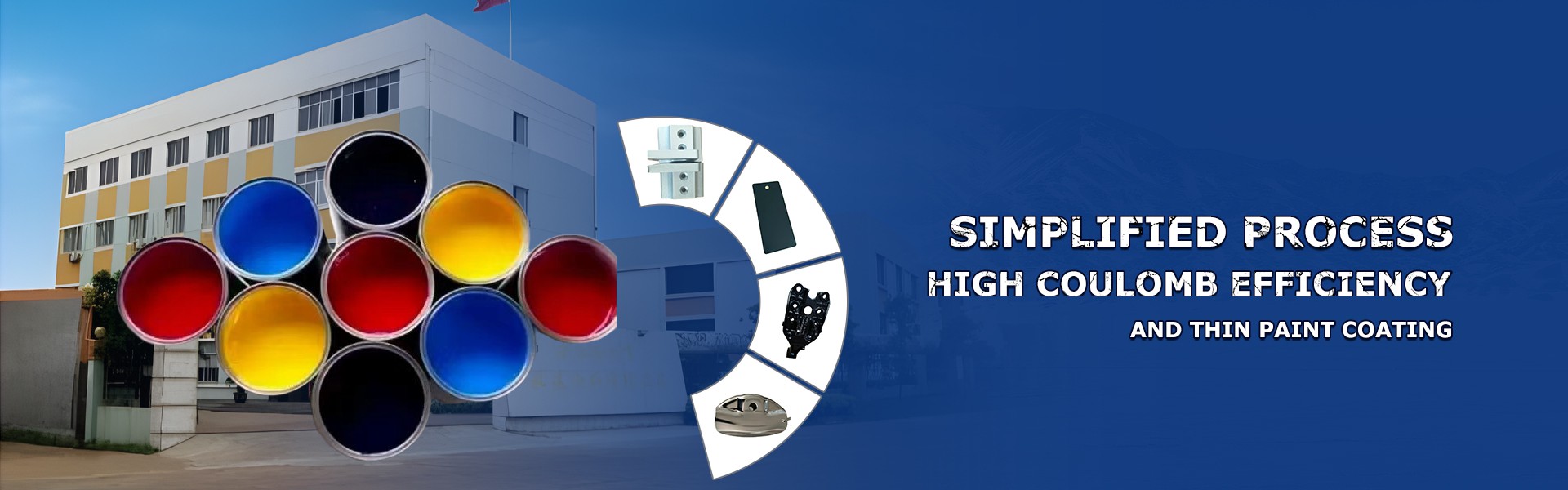
Electrocoat: Electrophoretic Coating for Corrosion Protection and Uniform Metal Coverage
Electrocoat, also known as E-coat or electrophoretic coating, is an industrial coating process used to apply a controlled organic coating to electrically conductive metal components.
During the process, charged coating particles are deposited onto the metal workpiece under an applied electrical field. The deposited film is then rinsed and cured to form the final coating. For manufacturers, the main value of electrocoating is process control: consistent film deposition, coverage of complex geometries, controlled coating thickness, and integration with automated production lines.
The appropriate electrocoat system depends on the substrate, required corrosion performance, part geometry, pretreatment process, curing capability, appearance requirements, and downstream coating system.
-
![Electrophoretic Coatings For Hardware]() Electrophoretic Coatings For HardwareThis product uses a standard epoxy-isocyanate system, featuring a medium-weight resin that strikes the right balance between hardness and flexibility for various types of hardware. We’ve optimized
Electrophoretic Coatings For HardwareThis product uses a standard epoxy-isocyanate system, featuring a medium-weight resin that strikes the right balance between hardness and flexibility for various types of hardware. We’ve optimized -
![Electrophoretic Coatings For Home Appliances]() Electrophoretic Coatings For Home AppliancesThis product uses an epoxy-acrylic hybrid resin. It keeps the great rust protection of epoxy. It adds the good looks of acrylic. The resin design balances hardness and flexibility. This is good for
Electrophoretic Coatings For Home AppliancesThis product uses an epoxy-acrylic hybrid resin. It keeps the great rust protection of epoxy. It adds the good looks of acrylic. The resin design balances hardness and flexibility. This is good for -
![Waterborne Clear Coat]() Waterborne Clear CoatRed pigments are often organic. In an electrocoat bath, they can clump and settle. This hurts color stability and coating quality. We solved this problem. We use a high-molecular-weight block
Waterborne Clear CoatRed pigments are often organic. In an electrocoat bath, they can clump and settle. This hurts color stability and coating quality. We solved this problem. We use a high-molecular-weight block -
![Electrophoretic Coatings For Automobiles]() Electrophoretic Coatings For AutomobilesThis product uses a high-corrosion epoxy-isocyanate system. We use a multi-functional resin for high cross-link density. This gives a dense, long-lasting film. The formula follows the IATF 16949 car
Electrophoretic Coatings For AutomobilesThis product uses a high-corrosion epoxy-isocyanate system. We use a multi-functional resin for high cross-link density. This gives a dense, long-lasting film. The formula follows the IATF 16949 car -
![Acrylic Based Coating]() Acrylic Based CoatingThis product follows the MIL-PRF-85582D and MIL-DTL-53039 U.S. military specs. The main material is a high cross-link density epoxy resin. This gives stability in extreme conditions. The pigments are
Acrylic Based CoatingThis product follows the MIL-PRF-85582D and MIL-DTL-53039 U.S. military specs. The main material is a high cross-link density epoxy resin. This gives stability in extreme conditions. The pigments are -
![Electrocoat Paint]() Electrocoat PaintWhen a coating fails, it is not a disaster. The problem is when you do not know why. We give you tools to find the cause quickly. We use SEM to look at the defect's shape. We can see if it is a
Electrocoat PaintWhen a coating fails, it is not a disaster. The problem is when you do not know why. We give you tools to find the cause quickly. We use SEM to look at the defect's shape. We can see if it is a -
![Cationic Epoxy Electrocoat]() Cationic Epoxy ElectrocoatThe core of this product is the amine modification of the epoxy resin. We add amine groups to the epoxy chain. These amine groups are then turned into a water-soluble salt with an organic acid. This
Cationic Epoxy ElectrocoatThe core of this product is the amine modification of the epoxy resin. We add amine groups to the epoxy chain. These amine groups are then turned into a water-soluble salt with an organic acid. This -
![Cathodic Epoxy Electrocoat]() Cathodic Epoxy ElectrocoatThis product uses a multi-functional epoxy. It replaces some of the standard epoxy. What does multi-functional mean? Each resin molecule has more reactive sites. So they can cross-link more tightly.
Cathodic Epoxy ElectrocoatThis product uses a multi-functional epoxy. It replaces some of the standard epoxy. What does multi-functional mean? Each resin molecule has more reactive sites. So they can cross-link more tightly. -
![Cathodic Epoxy E Coat]() Cathodic Epoxy E CoatWhen a coating fails, we do not just give a fix. We do a systematic failure analysis. We help you improve the whole process. We use an optical microscope to look at the shape of the failure. Is it
Cathodic Epoxy E CoatWhen a coating fails, we do not just give a fix. We do a systematic failure analysis. We help you improve the whole process. We use an optical microscope to look at the shape of the failure. Is it -
![Cathodic Electrocoat]() Cathodic ElectrocoatThe core of this product is a focus on deposition efficiency. We control the amine value of the resin. We keep it between 40 and 60 mg KOH/g. This gives the resin particles the best charge density.
Cathodic ElectrocoatThe core of this product is a focus on deposition efficiency. We control the amine value of the resin. We keep it between 40 and 60 mg KOH/g. This gives the resin particles the best charge density. -
![Electrophoretic Lacquer Coating]() Electrophoretic Lacquer CoatingThe core of this product is fine control over film formation. In the deposition stage, we control the voltage ramp and current density. This makes the resin particles pack tightly on the part. We get
Electrophoretic Lacquer CoatingThe core of this product is fine control over film formation. In the deposition stage, we control the voltage ramp and current density. This makes the resin particles pack tightly on the part. We get -
![Cathode Electrode Deposition Painting]() Cathode Electrode Deposition PaintingWe designed this product to work with common pre-treatments and sealers. The resin can handle a small amount of alkaline residue from pre-treatment. The pigment system resists being washed off during
Cathode Electrode Deposition PaintingWe designed this product to work with common pre-treatments and sealers. The resin can handle a small amount of alkaline residue from pre-treatment. The pigment system resists being washed off during


Electrocoat at a Glance
|
Item |
Specification / Selection Point |
|
Product |
Electrocoat / Electrophoretic Coating |
|
Process |
Electrophoretic deposition |
|
Substrate |
Electrically conductive metal components |
|
Common systems |
Cathodic and anodic electrocoating |
|
Application |
Industrial immersion coating process |
|
Typical function |
Corrosion protection and uniform surface coating |
|
Process stages |
Pretreatment -> Electrocoat bath -> Rinsing -> Curing |
|
Key selection factors |
Resin system, substrate, film thickness, curing conditions, corrosion requirements, line compatibility |
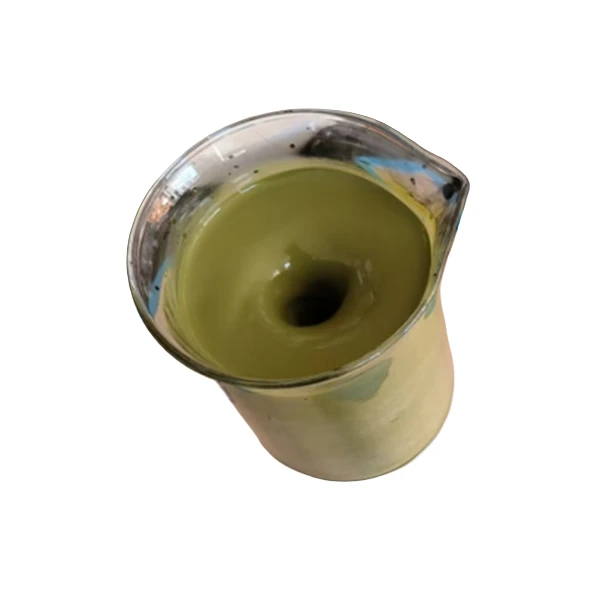
Electrocoat is a water-based industrial coating system applied through an electrically assisted immersion process. The metal component is immersed in an electrocoat bath and electrically connected within the coating circuit. Under the applied voltage, charged coating particles migrate toward the workpiece and deposit onto its surface.
Once the required film has been deposited, the part is removed from the bath and rinsed. A subsequent curing stage develops the final coating properties. Unlike conventional spray coating, electrocoating deposits material through an electrical process rather than relying primarily on spray access to the exposed surface. This makes film uniformity, recessed-area coverage, and process repeatability important reasons for considering E-coat for high-volume metal components.
How the Electrocoat Process Works
A typical electrocoat production sequence includes four major stages:
Metal Pretreatment
The substrate is cleaned and chemically treated before entering the electrocoat bath. Pretreatment removes contaminants and prepares the metal surface for coating adhesion and corrosion protection. The pretreatment system must be compatible with both the substrate and the selected electrocoat chemistry.
Electrocoat Deposition
The prepared metal component is immersed in the electrocoat bath. An electrical potential is applied between the workpiece and the counter-electrode. Charged coating particles migrate toward the workpiece and form the wet coating film. Process variables such as voltage, bath temperature, deposition time, bath chemistry, and conductivity affect the resulting film.
Rinsing
After deposition, the part is rinsed to remove loosely attached coating material from the surface. Proper rinsing helps control appearance, surface cleanliness, and material carryover within the production line.
Curing
The coated component passes through a curing oven. The curing schedule must be matched to the coating chemistry, substrate, and part configuration. Insufficient or excessive curing can affect final coating performance.
Electrocoat Product Selection
The right electrocoat is determined by the complete production process rather than by coating price alone.
Substrate
Identify the metal being coated before selecting the coating system. Different substrates can require different pretreatment and coating conditions. If multiple substrates are processed on the same line, compatibility should be confirmed before production implementation.
01
Required Corrosion Protection
Corrosion requirements should be defined from the actual end-use environment and international testing standards (e.g., ASTM B117 or ISO 9227 salt spray tests). For demanding corrosion applications, the electrocoat should be evaluated together with the pretreatment system and any subsequent topcoat.
02
Film Thickness
The target film thickness should be established according to part geometry, corrosion requirements, assembly tolerances, and customer specifications. A thicker coating is not automatically a better coating; the goal is a controlled film without unnecessary buildup.
03
Part Geometry
Special attention should be given to: deep cavities, internal channels, recessed areas, sharp edges, welded joints, narrow gaps, and areas with restricted bath circulation. Evaluate throwpower and internal coverage before finalizing.
04
Curing Conditions
The coating must be compatible with the available oven and production cycle (cure temperature, metal temperature, part mass, oven configuration). Confirm actual curing requirements from the supplier's technical data.
05
Electrocoat is particularly relevant where manufacturers need repeatable coating of large quantities of metal components.
Automotive Components: Chassis components, brackets, structural metal parts, and automotive hardware. (Often requires strict compliance with IATF 16949 automotive quality standards).
Industrial Equipment: Machine components, equipment frames, and fabricated assemblies.
Electrical and Metal Enclosures: Conductive metal housings and cabinets where uniform coating is critical.
Agricultural and Construction Equipment: Components exposed to outdoor and highly corrosive operating conditions.

Frequently Asked Questions
We're well-known as one of the leading electrocoat manufacturers and suppliers in China, featured by quality products and low price. Please rest assured to buy discount electrocoat from our factory. We also accept customized orders.
Cathode Electrode Deposition Painting, Cathodic Epoxy E Coat, Water Based Industrial PaintPopular Products


