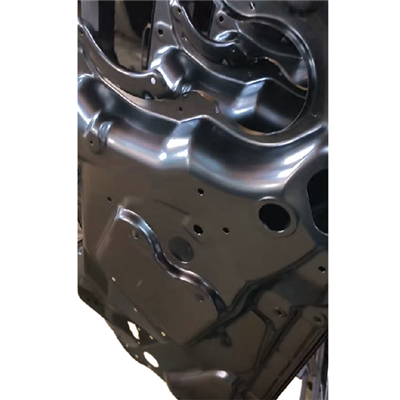

As a supplier of cathodic epoxy e coat, I often get asked about its compatibility with other coatings. This is a crucial question, especially for industries that require multiple layers of protection or specific aesthetic finishes. In this blog post, I'll delve into the concept of compatibility, explore the factors that influence it, and discuss the implications for different applications.
Understanding Compatibility
Compatibility between cathodic epoxy e coat and other coatings refers to the ability of these coatings to adhere to each other, form a stable bond, and perform effectively as a combined system. A compatible coating system can enhance the overall performance, durability, and appearance of the coated product. On the other hand, an incompatible system can lead to issues such as delamination, blistering, or poor corrosion resistance.
There are several factors that can affect the compatibility between cathodic epoxy e coat and other coatings:
- Chemical Composition: The chemical nature of the coatings plays a significant role in their compatibility. For example, coatings with similar chemical structures are more likely to be compatible. Cathodic epoxy e coat is a type of epoxy resin-based coating, so it may have better compatibility with other epoxy-based coatings or those with similar functional groups.
- Surface Preparation: Proper surface preparation is essential for ensuring good adhesion between coatings. If the surface is not cleaned, degreased, or etched correctly, it can prevent the coatings from bonding properly. This can lead to adhesion failure and reduce the overall performance of the coating system.
- Curing Conditions: The curing process of the coatings can also impact their compatibility. Different coatings may require different curing temperatures, times, and environments. If the curing conditions are not optimized for the combined coating system, it can result in incomplete curing, which can affect the adhesion and performance of the coatings.
- Application Method: The method of applying the coatings can influence their compatibility. For example, spray application may result in a different coating thickness and distribution compared to dip coating. These differences can affect the adhesion and performance of the coatings.
Compatibility with Different Types of Coatings
Let's take a closer look at the compatibility of cathodic epoxy e coat with some common types of coatings:
Primer Coatings
Primer coatings are often used as a base layer to improve the adhesion of subsequent coatings and provide corrosion protection. Cathodic epoxy e coat is commonly used as a primer in many industries, such as automotive, hardware, and home appliances. It has excellent corrosion resistance and adhesion properties, making it an ideal choice for priming.
When using cathodic epoxy e coat as a primer, it is generally compatible with a wide range of topcoat materials, including acrylic, polyurethane, and polyester coatings. However, it is important to ensure that the topcoat is formulated to be compatible with the epoxy primer. This may involve selecting a topcoat that has similar chemical properties or is specifically designed for use with epoxy primers.
Topcoat Coatings
Topcoat coatings are applied over the primer to provide the final appearance and protection of the coated product. The compatibility between cathodic epoxy e coat and topcoat coatings depends on several factors, such as the chemical composition, curing conditions, and application method.
Acrylic topcoats are a popular choice for many applications due to their excellent weather resistance, gloss retention, and color stability. They are generally compatible with cathodic epoxy e coat primers, as long as the topcoat is formulated to be compatible with epoxy resins. Polyurethane topcoats are also commonly used, especially in applications that require high durability and chemical resistance. They can provide a hard, protective finish that is resistant to abrasion, chemicals, and UV radiation. However, it is important to ensure that the polyurethane topcoat is compatible with the epoxy primer to avoid adhesion issues.
Powder Coatings
Powder coatings are a type of dry coating that is applied electrostatically and then cured by heat. They offer several advantages, such as excellent durability, corrosion resistance, and environmental friendliness. Cathodic epoxy e coat can be used as a primer for powder coatings, providing a good base for adhesion and corrosion protection.
When using cathodic epoxy e coat as a primer for powder coatings, it is important to ensure that the powder coating is formulated to be compatible with the epoxy primer. This may involve selecting a powder coating that has similar chemical properties or is specifically designed for use with epoxy primers. Additionally, the curing conditions of the powder coating should be optimized to ensure proper adhesion and performance.
Applications and Implications
The compatibility between cathodic epoxy e coat and other coatings has significant implications for various industries. Let's explore some of the common applications and how compatibility plays a role:
Automotive Industry
In the automotive industry, cathodic epoxy e coat is widely used as a primer to provide corrosion protection for the vehicle body. It is often followed by a topcoat to provide the final appearance and protection. The compatibility between the cathodic epoxy e coat primer and the topcoat is crucial for ensuring a long-lasting and high-quality finish.
For example, Electrophoretic Coatings For Automobiles are designed to meet the specific requirements of the automotive industry. These coatings are formulated to provide excellent corrosion resistance, adhesion, and appearance. By using a compatible cathodic epoxy e coat primer and topcoat, automotive manufacturers can ensure that their vehicles have a durable and attractive finish.
Hardware Industry
In the hardware industry, cathodic epoxy e coat is used to protect metal components from corrosion and wear. It is often used as a primer for other coatings, such as powder coatings or paint. The compatibility between the cathodic epoxy e coat primer and the topcoat is important for ensuring the long-term performance of the coated hardware.
Electrophoretic Coatings For Hardware are specifically designed for use in the hardware industry. These coatings provide excellent corrosion resistance, adhesion, and hardness. By using a compatible cathodic epoxy e coat primer and topcoat, hardware manufacturers can ensure that their products have a high-quality finish that can withstand harsh environments.
Home Appliance Industry
In the home appliance industry, cathodic epoxy e coat is used to protect the metal parts of appliances from corrosion and damage. It is often used as a primer for other coatings, such as paint or powder coatings. The compatibility between the cathodic epoxy e coat primer and the topcoat is crucial for ensuring the durability and appearance of the appliances.
Electrophoretic Coatings For Home Appliances are designed to meet the specific requirements of the home appliance industry. These coatings provide excellent corrosion resistance, adhesion, and aesthetic appeal. By using a compatible cathodic epoxy e coat primer and topcoat, home appliance manufacturers can ensure that their products have a long-lasting and attractive finish.
Conclusion
In conclusion, the compatibility between cathodic epoxy e coat and other coatings is a critical factor in ensuring the performance, durability, and appearance of coated products. By understanding the factors that influence compatibility and selecting the appropriate coatings, industries can achieve a high-quality coating system that meets their specific requirements.


As a supplier of cathodic epoxy e coat, I am committed to providing high-quality products and technical support to help our customers achieve the best results. If you have any questions about the compatibility of our cathodic epoxy e coat with other coatings or would like to discuss your specific application, please don't hesitate to contact us. We look forward to working with you to find the best coating solution for your needs.
References
- ASTM International. (2021). Standard Test Methods for Evaluating the Adhesion of Organic Coatings on Metal Substrates. ASTM D3359.
- Paint and Coatings Industry. (2020). Compatibility of Coatings: A Guide for Manufacturers and Users.
- Society for Protective Coatings. (2019). Coating Compatibility and Application Guidelines.