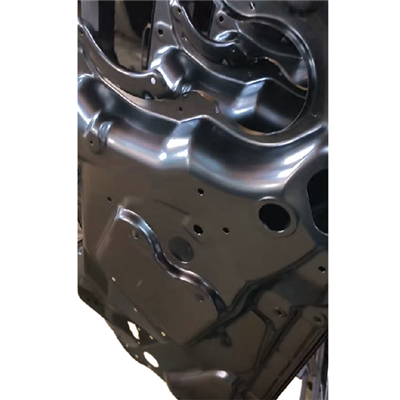

Hey there! As a supplier in the electrophoretic painting industry, I've seen my fair share of issues when it comes to the quality of electrophoretic paint films. One of the most common problems we encounter is the uneven thickness of the paint film. It can be a real headache for both us and our customers, as it affects the appearance and performance of the coated products. So, I thought I'd take a moment to share some insights into what causes this uneven thickness.
1. Improper Pretreatment
Pretreatment is a crucial step in the electrophoretic painting process. If the surface of the workpiece isn't properly cleaned and prepared, it can lead to uneven paint film thickness. For example, if there's oil, grease, or rust on the surface, the paint won't adhere evenly. The paint may build up more in areas where the surface is cleaner, while in areas with contaminants, the film may be thinner or patchy.
We always stress the importance of a thorough pretreatment process. This usually involves degreasing, cleaning, and phosphating the workpiece. Degreasing removes any oil or grease that could interfere with the paint adhesion. Cleaning gets rid of dirt and other debris, and phosphating creates a surface that the paint can bond to more effectively.
2. Inconsistent Voltage and Current
The voltage and current applied during the electrophoretic painting process play a significant role in determining the thickness of the paint film. If the voltage is too high, the paint may deposit too quickly, resulting in a thick and uneven film. On the other hand, if the voltage is too low, the paint may not deposit evenly, leading to a thin and patchy film.
Similarly, inconsistent current can also cause problems. Fluctuations in the current can lead to variations in the paint deposition rate, resulting in uneven film thickness. It's essential to maintain a stable voltage and current throughout the painting process. This requires proper equipment calibration and monitoring.
3. Poor Circulation of the Paint Bath
The paint bath is where the electrophoretic painting takes place. If the paint in the bath isn't circulated properly, it can lead to uneven paint distribution. The paint may settle at the bottom of the bath, causing a concentration gradient. This means that the paint near the bottom may be thicker, while the paint near the top may be thinner.
To ensure proper circulation, we use pumps and agitators in the paint bath. These devices help to keep the paint well-mixed and prevent settling. Regular maintenance of the circulation system is also crucial to ensure that it's working effectively.
4. Uneven Workpiece Geometry
The shape and geometry of the workpiece can also affect the thickness of the paint film. Complex shapes with sharp edges, corners, or recesses can create areas where the paint may not deposit evenly. For example, in sharp corners, the electric field may be stronger, causing the paint to deposit more thickly. In recessed areas, the paint may have difficulty reaching, resulting in a thinner film.
To address this issue, we may need to adjust the painting parameters or use special fixtures to ensure that the paint reaches all areas of the workpiece evenly. Sometimes, we may also need to perform additional painting steps or touch-ups in areas where the film thickness is inconsistent.
5. Contamination in the Paint Bath
Contamination in the paint bath can have a significant impact on the quality of the paint film. Particles, debris, or other contaminants can interfere with the paint deposition process, leading to uneven film thickness. For example, if there are foreign particles in the paint bath, they may get trapped in the paint film, causing bumps or unevenness.
To prevent contamination, we have strict quality control measures in place. We regularly filter the paint bath to remove any particles or debris. We also ensure that the paint bath is kept clean and free from any contaminants.
6. Incorrect Paint Concentration
The concentration of the paint in the bath is another important factor. If the paint concentration is too high, the paint may deposit too thickly, resulting in an uneven film. If the concentration is too low, the paint may not deposit evenly, leading to a thin and patchy film.
We carefully monitor and adjust the paint concentration to ensure that it's within the optimal range. This requires regular testing and analysis of the paint bath.
7. Temperature Variations
Temperature can also affect the thickness of the paint film. If the temperature of the paint bath is too high, the paint may dry too quickly, resulting in a thin and uneven film. If the temperature is too low, the paint may not flow properly, leading to a thick and uneven film.
We maintain a stable temperature in the paint bath to ensure consistent paint deposition. This usually involves using temperature control systems to keep the temperature within a specific range.
Conclusion
As you can see, there are several factors that can cause the uneven thickness of the electrophoretic paint film. By understanding these factors and taking appropriate measures to address them, we can improve the quality of our electrophoretic painting services.


If you're in the market for Black Electrophoretic Coating, Electrophoresis Painting, or Electrophoretic Plating, and you want to ensure a high-quality, even paint film, we'd love to hear from you. Contact us to discuss your specific requirements and let's work together to achieve the best results for your products.
References
- "Electrophoretic Painting Technology" - A comprehensive guide on the principles and practices of electrophoretic painting.
- Industry research papers on the factors affecting electrophoretic paint film quality.