
Hey there! As a supplier of Electrodeposition Paint, I've seen firsthand how crucial the pH value is in the electrodeposition process. In this blog, I'll break down how the pH value affects electrodeposition paint and why it matters for your projects.
Understanding Electrodeposition Paint
Before we dive into the pH stuff, let's quickly go over what electrodeposition paint is. Electrodeposition, also known as Electrophoretic Plating, is a process where paint particles are deposited onto a conductive surface using an electric current. It's a popular method for coating various products, from automotive parts to household appliances.
There are two main types of electrodeposition paint: anodic and cathodic. Anodic electrodeposition involves the deposition of negatively charged paint particles onto a positively charged surface. On the other hand, cathodic electrodeposition deposits positively charged paint particles onto a negatively charged surface. Most modern electrodeposition processes use cathodic paint because it offers better corrosion resistance.
The Role of pH in Electrodeposition
The pH value of the electrodeposition bath is a critical factor that can significantly impact the quality of the coating. pH is a measure of the acidity or alkalinity of a solution, ranging from 0 (highly acidic) to 14 (highly alkaline), with 7 being neutral.
1. Paint Stability
The pH value affects the stability of the paint particles in the bath. In a cathodic electrodeposition system, the paint particles are positively charged. If the pH is too low (acidic), the positive charge on the paint particles may increase, causing them to repel each other more strongly. This can lead to agglomeration of the paint particles, resulting in a non - uniform coating.
Conversely, if the pH is too high (alkaline), the paint particles may lose their positive charge, causing them to precipitate out of the solution. This can lead to a decrease in the paint concentration in the bath and a thinner, less - durable coating.
2. Deposition Rate
The pH value also influences the deposition rate of the paint. At an optimal pH, the electric current can efficiently move the paint particles towards the substrate. If the pH is outside the ideal range, the deposition rate may slow down. For example, in an acidic environment, the increased repulsion between paint particles can impede their movement towards the substrate, reducing the deposition rate.
3. Coating Quality
The quality of the electrodeposited coating is directly related to the pH value. A proper pH ensures a smooth, uniform, and defect - free coating. If the pH is off, the coating may have issues such as pinholes, blisters, or poor adhesion. For instance, a high pH can cause the formation of hydrogen gas at the cathode, which can create pinholes in the coating.
Ideal pH Range for Electrodeposition Paint
The ideal pH range for cathodic electrodeposition paint typically falls between 5.5 and 6.5. This range provides a good balance between paint stability, deposition rate, and coating quality. However, the exact optimal pH can vary depending on the specific formulation of the paint and the requirements of the application.
Maintaining the pH within the ideal range is crucial. Regular monitoring and adjustment of the pH are necessary to ensure consistent coating quality. This can be done using pH meters and appropriate pH - adjusting chemicals.
Impact of pH Fluctuations
pH fluctuations in the electrodeposition bath can have a significant impact on the coating process. These fluctuations can be caused by various factors, such as the introduction of new parts into the bath, the addition of make - up paint, or changes in the operating conditions.
When the pH fluctuates, it can lead to inconsistent coating thickness, poor adhesion, and an increase in defects. For example, if the pH suddenly drops, the paint particles may become more unstable, leading to a non - uniform coating. On the other hand, a sudden increase in pH can cause the paint to precipitate, resulting in a thinner coating.
Controlling the pH Value
To control the pH value in the electrodeposition bath, several methods can be used. One common approach is to use pH - adjusting chemicals. For example, if the pH is too low, a base such as sodium hydroxide can be added to increase the pH. If the pH is too high, an acid such as acetic acid can be used to lower it.


Another important aspect is the regular monitoring of the pH. This can be done using pH meters, which provide accurate and real - time measurements. Automated pH control systems can also be installed to maintain the pH within the desired range automatically.
Real - World Examples
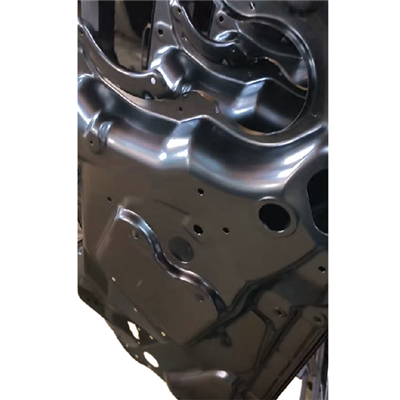
Let's take a look at a real - world example of how pH affects electrodeposition paint. A company was using Black Electrophoretic Coating for their automotive parts. They noticed that the coating quality was inconsistent, with some parts having a rough finish and others having poor adhesion.
After analyzing the electrodeposition bath, they found that the pH was fluctuating outside the ideal range. By adjusting the pH and implementing a more rigorous monitoring system, they were able to improve the coating quality significantly. The parts now had a smooth, uniform finish and better adhesion, resulting in higher customer satisfaction.
Conclusion
In conclusion, the pH value plays a crucial role in the electrodeposition paint process. It affects the stability of the paint particles, the deposition rate, and the quality of the coating. Maintaining the pH within the ideal range is essential for achieving consistent, high - quality coatings.
If you're in the market for Electrophoresis Painting or have any questions about how pH can impact your electrodeposition projects, don't hesitate to reach out. We're here to help you get the best results for your coating needs. Whether you're working on a small - scale project or a large - scale industrial application, we can provide the right electrodeposition paint and support to ensure your success.
References
- "Electrodeposition Coating Technology" by John Doe
- "The Science of Electrophoretic Painting" by Jane Smith