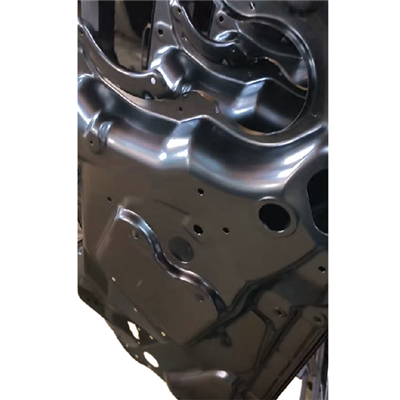

Hey there! As an electrophoretic paint supplier, I often get asked about how to test the adhesion of electrophoretic paint. It's a crucial aspect because good adhesion ensures the durability and performance of the coating. In this blog, I'll walk you through some common methods to test the adhesion of electrophoretic paint.
Why Adhesion Testing is Important
Before we dive into the testing methods, let's quickly understand why adhesion testing matters. Electrophoretic paint is used in a wide range of applications, from automotive parts to household appliances. If the paint doesn't adhere well to the substrate, it can lead to peeling, chipping, and corrosion. This not only affects the appearance of the product but also its functionality and lifespan. So, ensuring proper adhesion is essential for the quality of the final product.
Cross - Cut Test
One of the most popular methods for testing the adhesion of electrophoretic paint is the cross - cut test. This test is relatively simple and can be done in a laboratory or on - site.
Here's how it works:
- First, you need to use a sharp blade, like a utility knife, to make a series of parallel cuts in the paint coating. The cuts should be about 1 - 2 mm apart and should penetrate through the paint to the substrate.
- Then, make another set of cuts perpendicular to the first set, creating a grid pattern. The grid should have at least 100 squares (10x10).
- After that, use a piece of adhesive tape. Press the tape firmly onto the grid area and then quickly pull it off at a 90 - degree angle.
- Examine the tape and the grid area on the substrate. If a large number of paint squares come off on the tape, it indicates poor adhesion. You can rate the adhesion based on the percentage of paint that remains on the substrate. For example, if 95% of the paint remains, it's considered excellent adhesion, while if less than 50% remains, it's a sign of poor adhesion.
The cross - cut test gives you a quick and visual way to assess the adhesion of the electrophoretic paint. It's a good starting point for evaluating the quality of the coating.
Pull - Off Test
Another reliable method for testing adhesion is the pull - off test. This test measures the force required to pull a circular or square area of the paint coating away from the substrate.
Here's the process:
- First, you need to attach a dolly (a small circular or square metal plate) to the paint surface using a strong adhesive. Make sure the dolly is centered and the adhesive is properly applied.
- Then, use a pull - off tester. This device applies a gradually increasing force perpendicular to the surface until the paint coating detaches from the substrate.
- The pull - off tester records the maximum force at which the paint comes off. This force is a measure of the adhesion strength of the paint.
The pull - off test provides a quantitative value for the adhesion strength, which is more precise than the cross - cut test. It's especially useful when you need to meet specific industry standards or when you're dealing with high - performance applications.
Tape Test for Flexibility and Adhesion
In addition to the cross - cut and pull - off tests, you can also use a tape test to evaluate the adhesion of electrophoretic paint under flexing conditions.
Here's what you do:


- Bend the coated substrate to a certain angle. The angle depends on the application requirements. For example, in automotive applications, you might bend the part to 90 degrees.
- After bending, apply a piece of adhesive tape to the bent area and then quickly pull it off.
- Check if any paint comes off on the tape. If the paint remains intact after bending and the tape test, it indicates good adhesion and flexibility of the electrophoretic paint.
This test is useful for applications where the coated parts are likely to experience bending or deformation, such as in the manufacturing of metal frames or automotive body panels.
Factors Affecting Adhesion
There are several factors that can affect the adhesion of electrophoretic paint. Understanding these factors can help you improve the adhesion and ensure the quality of the coating.
- Surface Preparation: Proper surface preparation is crucial for good adhesion. The substrate should be clean, free of grease, oil, and rust. Any contaminants on the surface can prevent the paint from bonding properly. You can use methods like sandblasting, chemical cleaning, or phosphating to prepare the surface.
- Paint Formulation: The composition of the electrophoretic paint also plays a role in adhesion. Different paint formulations have different adhesion properties. For example, Cathodic Electrodeposition Coating is known for its excellent corrosion resistance and adhesion. The suppliers usually optimize the paint formulation to achieve the best adhesion performance.
- Electrophoretic Process Parameters: The parameters of the electrophoretic process, such as voltage, current density, and bath temperature, can affect the adhesion of the paint. If these parameters are not properly controlled, it can lead to uneven coating thickness and poor adhesion.
Our Electrophoretic Paint Offerings
As an electrophoretic paint supplier, we offer a wide range of Electrodeposition Paint products that are designed to provide excellent adhesion and performance. Our paints are formulated using high - quality raw materials and advanced manufacturing techniques.
We have different types of electrophoretic paints, including Cathodic Electrodeposition Coating and anodic electrodeposition coating. These paints are suitable for various applications, such as automotive, aerospace, and industrial manufacturing.
If you're looking for high - quality electrophoretic paint with excellent adhesion, we can provide you with samples for testing. We also offer technical support to help you optimize the painting process and ensure the best adhesion results.
Conclusion
Testing the adhesion of electrophoretic paint is an important step in ensuring the quality and performance of the coating. By using methods like the cross - cut test, pull - off test, and tape test for flexibility, you can accurately evaluate the adhesion of the paint.
If you're in the market for electrophoretic paint and want to ensure the best adhesion for your products, don't hesitate to contact us. We're here to provide you with the right solutions and support. Whether you're a small - scale manufacturer or a large - scale industrial producer, we can work with you to meet your specific needs.
References
- ASTM D3359 - Standard Test Methods for Measuring Adhesion by Tape Test
- ISO 2409 - Paints and varnishes — Cross - cut test