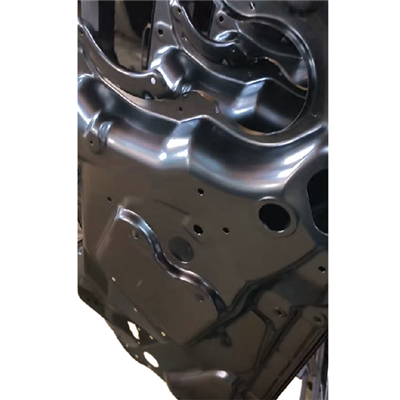

How to Select the Appropriate Cathode Material for Electrophoretic Plating
Electrophoretic plating is a widely used surface finishing technique that offers numerous advantages, such as uniform coating thickness, excellent corrosion resistance, and high efficiency. As an electrophoretic plating supplier, I understand the importance of selecting the appropriate cathode material to achieve optimal plating results. In this blog post, I will share some insights on how to choose the right cathode material for electrophoretic plating.


Understanding Electrophoretic Plating
Before delving into cathode material selection, it's essential to have a basic understanding of electrophoretic plating. Electrophoretic plating, also known as electrocoating, is a process in which charged particles in a liquid suspension are deposited onto a conductive surface under the influence of an electric field. The process involves two electrodes: an anode and a cathode. The workpiece to be plated serves as the cathode, while the anode is typically made of a material that can supply the metal ions needed for plating.
The electrophoretic plating process can be classified into two types: anodic and cathodic. In anodic electrophoretic plating, the workpiece is the anode, and the coating material is negatively charged. In cathodic electrophoretic plating, the workpiece is the cathode, and the coating material is positively charged. Cathodic Electrophoretic Coating is more commonly used due to its superior corrosion resistance and adhesion properties.
Factors to Consider When Selecting Cathode Material
Several factors need to be considered when selecting the appropriate cathode material for electrophoretic plating. These factors include the type of electrophoretic paint, the properties of the workpiece, the plating process parameters, and the desired coating properties.
- Type of Electrophoretic Paint: Different types of electrophoretic paint have different requirements for cathode materials. For example, some electrophoretic paints may require a specific type of cathode material to ensure proper deposition and adhesion. It's important to consult with the paint manufacturer to determine the compatibility of the paint with different cathode materials.
- Properties of the Workpiece: The properties of the workpiece, such as its material composition, surface finish, and shape, can also influence the choice of cathode material. For example, if the workpiece is made of a reactive metal, such as aluminum or magnesium, a cathode material that can prevent corrosion and oxidation may be required. Additionally, the surface finish of the workpiece can affect the adhesion of the coating, so a cathode material that can provide a smooth and uniform surface may be preferred.
- Plating Process Parameters: The plating process parameters, such as the voltage, current density, and plating time, can also impact the selection of cathode material. For example, higher voltage and current density may require a cathode material with higher conductivity to ensure efficient plating. Additionally, the plating time can affect the thickness and quality of the coating, so a cathode material that can withstand long plating times without degradation may be necessary.
- Desired Coating Properties: The desired coating properties, such as corrosion resistance, hardness, and appearance, can also play a role in cathode material selection. For example, if a high level of corrosion resistance is required, a cathode material that can provide a protective barrier against corrosion may be preferred. Additionally, if a smooth and glossy appearance is desired, a cathode material that can promote uniform deposition and a smooth surface finish may be necessary.
Common Cathode Materials for Electrophoretic Plating
There are several common cathode materials used in electrophoretic plating, each with its own advantages and disadvantages. Some of the most commonly used cathode materials include:
- Stainless Steel: Stainless steel is a popular cathode material due to its high corrosion resistance, good conductivity, and low cost. It is suitable for a wide range of electrophoretic plating applications, including automotive, aerospace, and electronics.
- Copper: Copper is another commonly used cathode material due to its high conductivity and excellent plating performance. It is often used in applications where high plating rates and uniform coating thickness are required.
- Nickel: Nickel is a versatile cathode material that offers good corrosion resistance, high hardness, and excellent adhesion. It is commonly used in applications where a durable and protective coating is required, such as in the automotive and aerospace industries.
- Titanium: Titanium is a lightweight and corrosion-resistant cathode material that is often used in applications where weight reduction and high strength are important, such as in the aerospace and automotive industries.
Case Studies
To illustrate the importance of selecting the appropriate cathode material for electrophoretic plating, let's look at a few case studies.
- Automotive Industry: In the automotive industry, electrophoretic plating is widely used to coat car bodies and components to provide corrosion resistance and a smooth finish. A leading automotive manufacturer was experiencing issues with coating adhesion and corrosion resistance on their car bodies. After consulting with their electrophoretic plating supplier, they switched to a stainless steel cathode material, which improved the coating adhesion and corrosion resistance significantly.
- Electronics Industry: In the electronics industry, electrophoretic plating is used to coat printed circuit boards (PCBs) to provide protection against moisture and other environmental factors. A PCB manufacturer was experiencing issues with coating uniformity and adhesion on their PCBs. After consulting with their electrophoretic plating supplier, they switched to a copper cathode material, which improved the coating uniformity and adhesion significantly.
Conclusion
Selecting the appropriate cathode material for electrophoretic plating is crucial to achieving optimal plating results. By considering factors such as the type of electrophoretic paint, the properties of the workpiece, the plating process parameters, and the desired coating properties, you can choose the right cathode material for your specific application. As an electrophoretic plating supplier, I am committed to providing high-quality products and services to help you achieve the best possible plating results. If you have any questions or need assistance with cathode material selection, please don't hesitate to contact us for more information.
References
- Smith, J. (2020). Electrophoretic Plating: Principles and Applications. New York: Wiley.
- Jones, R. (2019). Cathodic Electrophoretic Coating: A Review. Journal of Coatings Technology and Research, 16(2), 223-234.
- Brown, S. (2018). Electrophoretic Paint: Properties and Performance. Paint & Coatings Industry, 32(10), 36-42.