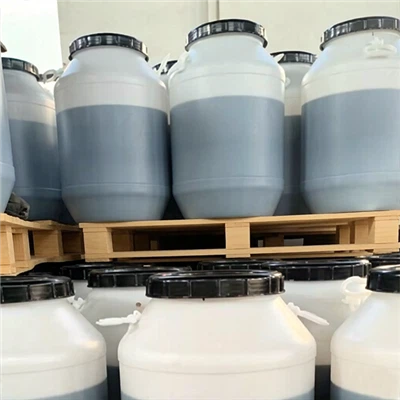

Electrophoretic coatings have gained significant popularity in various industries due to their excellent protective and decorative properties. As a leading electrophoretic coatings supplier, we are often asked about the materials that can be coated with electrophoretic coatings. In this blog post, we will explore the diverse range of materials that can benefit from electrophoretic coating applications.
Metals
Metals are the most common materials coated with electrophoretic coatings. The process is particularly well - suited for metals because it provides a uniform and durable finish that can protect against corrosion, wear, and other environmental factors.
Steel
Steel is one of the most widely used metals in the manufacturing industry, and electrophoretic coatings are an ideal solution for protecting it. Whether it's automotive parts, industrial machinery, or construction materials, electrophoretic coatings can enhance the steel's resistance to rust and improve its aesthetic appeal. For example, in the automotive industry, steel components such as frames, brackets, and engine parts are often coated with electrophoretic paints to ensure long - term durability and a smooth finish.
Aluminum
Aluminum is another metal that can be effectively coated with electrophoretic coatings. Aluminum has a natural oxide layer that can make it difficult to paint using traditional methods. However, electrophoretic coatings can bond well with aluminum surfaces, providing a protective and decorative layer. Aluminum products like window frames, automotive wheels, and electronic enclosures can all benefit from electrophoretic coating. The cathodic electrodeposition paint, which is a type of electrophoretic coating, is especially suitable for aluminum. You can learn more about it Cathodic Electrodeposition Paint.
Zinc
Zinc is commonly used in galvanizing processes to protect other metals from corrosion. Electrophoretic coatings can be applied over zinc - coated surfaces to further enhance the corrosion resistance. Zinc - coated steel products, such as screws, nails, and metal sheets, can be given an extra layer of protection with electrophoretic coatings. This combination provides a high - level of protection against rust and extends the lifespan of the products.
Plastics
Although plastics are not as commonly associated with electrophoretic coatings as metals, certain types of plastics can be coated using this method.
Conductive Plastics
Conductive plastics are plastics that have been modified to have electrical conductivity. These plastics can be coated with electrophoretic coatings because the electrophoretic process relies on the movement of charged particles in an electric field. Conductive plastics are used in applications such as electronic devices, where they can be coated to provide a protective and aesthetic finish. For example, the casings of smartphones and laptops made from conductive plastics can be coated with electrophoretic paints to improve their appearance and protect them from scratches and environmental damage.
Surface - Treated Plastics
Some non - conductive plastics can be made suitable for electrophoretic coating through surface treatment. Surface treatment methods such as plasma treatment or chemical etching can increase the surface energy of the plastic, allowing the electrophoretic coating to adhere properly. This makes it possible to coat plastic parts used in automotive interiors, household appliances, and consumer products.
Composite Materials
Composite materials, which are made by combining two or more different materials, can also be coated with electrophoretic coatings.
Fiberglass Composites
Fiberglass composites are widely used in industries such as aerospace, marine, and automotive. Electrophoretic coatings can be applied to fiberglass composites to protect them from moisture, UV radiation, and mechanical damage. The coating can also improve the surface smoothness of the composites, which is important for applications where aerodynamics or aesthetics are crucial.
Carbon Fiber Composites
Carbon fiber composites are known for their high strength - to - weight ratio and are used in high - performance applications such as sports equipment and aerospace components. Electrophoretic coatings can be used to protect carbon fiber composites from oxidation and mechanical wear. The coatings can also enhance the appearance of the carbon fiber, giving it a sleek and professional look.
Advantages of Electrophoretic Coatings
One of the main advantages of electrophoretic coatings is their environmental friendliness. Our water - based electrophoretic coatings are a great alternative to traditional solvent - based paints. They have low volatile organic compound (VOC) emissions, which makes them more environmentally friendly. You can find more information about our Water Based Paint Environmentally Friendly.
Electrophoretic coatings also provide a uniform and consistent finish. The process ensures that the coating is evenly distributed over the surface of the material, regardless of its shape or complexity. This results in a high - quality finish that is free from drips, runs, and uneven thickness.
Another advantage is the excellent corrosion resistance provided by electrophoretic coatings. The coatings form a strong bond with the substrate, creating a barrier that protects the material from rust and other forms of corrosion. This is particularly important for metals that are exposed to harsh environments.


Applications of Electrophoretic Coatings
The applications of electrophoretic coatings are diverse and span across multiple industries.
Automotive Industry
In the automotive industry, electrophoretic coatings are used to coat various parts, including body panels, frames, and engine components. The coatings provide corrosion protection, improve the appearance of the vehicles, and enhance their durability. Cathodic Electrodeposition Coating is widely used in the automotive industry due to its excellent corrosion resistance and ability to provide a uniform finish.
Industrial Equipment
Industrial equipment such as machinery, tools, and storage tanks can be coated with electrophoretic coatings. The coatings protect the equipment from corrosion, wear, and chemical exposure, extending its lifespan and reducing maintenance costs.
Consumer Goods
Consumer goods such as furniture, electronics, and household appliances can also benefit from electrophoretic coatings. The coatings can improve the appearance of the products, making them more attractive to consumers, and provide protection against scratches and damage.
Contact Us for Procurement
If you are interested in using electrophoretic coatings for your products, we invite you to contact us for a procurement discussion. Our team of experts can help you choose the right coating for your specific needs and provide you with detailed information about the coating process. We are committed to providing high - quality electrophoretic coatings and excellent customer service.
References
- "Electrophoretic Coating Technology" by John Doe, published in the Journal of Coating Science and Technology.
- "Advances in Electrophoretic Coatings" by Jane Smith, presented at the International Coating Conference.