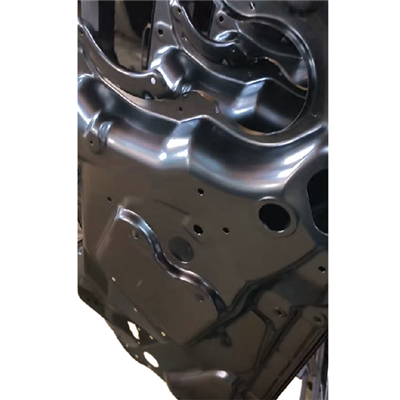

Electrophoretic plating, also known as electrocoating, is a widely used surface finishing process in various industries, including automotive, aerospace, and electronics. It offers excellent corrosion resistance, uniform coating thickness, and high-quality finish. However, one of the common problems that can occur with electrophoretic plating is the peeling of the plating layer. As an electrophoretic plating supplier, I understand the importance of preventing this issue to ensure the long - term performance and appearance of the coated products. In this blog, I will share some effective ways to prevent the peeling of the electrophoretic plating layer.


1. Proper Surface Preparation
The first and most crucial step in preventing the peeling of the electrophoretic plating layer is proper surface preparation. Any contaminants, such as oil, grease, rust, or dirt on the substrate surface, can significantly reduce the adhesion of the plating layer.
- Degreasing: Use a suitable degreasing agent to remove oil and grease from the substrate. This can be achieved through immersion in a degreasing bath or by using a spray - on degreasing solution. The degreasing process should be thorough, ensuring that all traces of oil and grease are removed.
- Rust Removal: If the substrate has rust, it should be removed using mechanical methods, such as sandblasting or wire brushing, or chemical methods, such as pickling. Rust can act as a barrier between the substrate and the plating layer, leading to poor adhesion.
- Surface Activation: After degreasing and rust removal, the substrate surface may need to be activated to improve the adhesion of the plating layer. This can be done by treating the surface with an appropriate chemical solution, such as a phosphate conversion coating. Phosphate coatings create a rough surface on the substrate, which provides a better mechanical bond for the plating layer.
2. Control of Plating Parameters
The plating parameters play a vital role in the quality and adhesion of the electrophoretic plating layer. Improper plating parameters can lead to issues such as poor coating thickness, porosity, and peeling.
- Voltage and Current Density: The voltage and current density used during the electrophoretic plating process should be carefully controlled. Too high a voltage or current density can cause over - deposition of the coating, leading to a brittle and easily peelable layer. On the other hand, too low a voltage or current density may result in an insufficient coating thickness and poor adhesion.
- Temperature: The temperature of the plating bath is another important parameter. The optimal temperature range for electrophoretic plating is typically between 25°C and 35°C. If the temperature is too high, the coating may dry too quickly, resulting in a cracked and peeling layer. If the temperature is too low, the coating may not deposit evenly, leading to poor adhesion.
- Plating Time: The plating time should be adjusted according to the desired coating thickness. A longer plating time will result in a thicker coating, but it also increases the risk of over - deposition and peeling. Therefore, it is essential to find the right balance between coating thickness and plating time.
3. Quality of Plating Materials
The quality of the plating materials used in the electrophoretic plating process also affects the adhesion and durability of the plating layer.
- Resin Quality: The resin used in the electrophoretic coating is the main component that forms the plating layer. High - quality resins with good adhesion properties should be selected. The resin should have a high molecular weight and good cross - linking ability to ensure a strong and durable coating.
- Additives: Additives can be used to improve the performance of the electrophoretic coating. For example, leveling agents can help to create a smooth and even coating surface, while anti - foaming agents can prevent the formation of bubbles in the coating. However, the selection and dosage of additives should be carefully controlled to avoid any negative effects on the adhesion of the coating.
4. Post - plating Treatment
After the electrophoretic plating process, proper post - plating treatment is necessary to enhance the adhesion and durability of the plating layer.
- Baking: Baking the coated product at a suitable temperature and time is an important post - plating treatment. Baking helps to cure the coating, improve its hardness and adhesion, and enhance its resistance to corrosion. The baking temperature and time should be determined according to the type of coating and the substrate material.
- Sealing: Sealing the plated surface can further improve its corrosion resistance and prevent the peeling of the plating layer. A sealant can be applied to the plated surface to fill any pores or gaps in the coating, providing an additional protective layer.
5. Quality Control and Inspection
Regular quality control and inspection are essential to ensure the quality of the electrophoretic plating layer and prevent peeling.
- Visual Inspection: Visual inspection should be carried out after the plating process to check for any obvious defects, such as cracks, bubbles, or uneven coating thickness. Any defective products should be re - worked or discarded.
- Adhesion Testing: Adhesion testing can be performed to evaluate the adhesion strength of the plating layer. Common adhesion testing methods include the cross - cut test and the pull - off test. If the adhesion strength does not meet the requirements, the plating process should be adjusted to improve the adhesion.
Industry Resources
For more in - depth knowledge about electrophoretic plating, you can refer to the following resources:
- Electrodeposited Coatings: This page provides detailed information about electrodeposited coatings, including their properties and applications.
- Electrophoretic Painting: Here, you can learn about the electrophoretic painting process and its advantages.
- Cationic Electrodeposition Coating: This resource focuses on cationic electrodeposition coating, a popular type of electrophoretic plating.
Conclusion
Preventing the peeling of the electrophoretic plating layer requires a comprehensive approach that includes proper surface preparation, control of plating parameters, use of high - quality plating materials, post - plating treatment, and quality control. By following these steps, you can ensure the long - term performance and appearance of the coated products.
If you are interested in our electrophoretic plating services or have any questions about preventing the peeling of the plating layer, please feel free to contact us for a procurement discussion. We are committed to providing high - quality electrophoretic plating solutions to meet your specific needs.
References
- Smith, J. (2018). Electrophoretic Coating Technology. New York: Wiley.
- Jones, A. (2019). Surface Preparation for Electrophoretic Plating. Journal of Surface Engineering, 25(3), 123 - 135.
- Brown, C. (2020). Quality Control in Electrophoretic Plating. International Journal of Coating Science, 30(2), 89 - 98.