
Hey there! As a supplier of Cationic Epoxy Electrocoat, I've been getting a lot of questions about how it reacts with different types of metals. So, I thought I'd share some insights on this topic.
First off, let's talk about what Cationic Epoxy Electrocoat is. It's a type of coating that uses an electric current to deposit a layer of epoxy resin onto a metal surface. This process, also known as Cathode Electrode Deposition Painting, creates a durable and corrosion-resistant finish.
Now, let's dive into how Cationic Epoxy Electrocoat reacts with different metals.
Steel
Steel is one of the most common metals used in various industries, and it's also a great candidate for Cationic Epoxy Electrocoat. When the electrocoating process is applied to steel, the positively charged epoxy particles are attracted to the negatively charged steel surface. This creates a strong bond between the coating and the metal, providing excellent corrosion protection.
The reaction between Cationic Epoxy Electrocoat and steel is quite straightforward. The epoxy resin forms a cross-linked network on the steel surface, creating a barrier that prevents moisture and oxygen from reaching the metal. This helps to prevent rust and corrosion, which can significantly extend the lifespan of the steel.
Aluminum
Aluminum is another metal that can benefit from Cationic Epoxy Electrocoat. However, the reaction between the coating and aluminum is a bit different compared to steel. Aluminum has a natural oxide layer on its surface, which can affect the adhesion of the electrocoat.
To ensure proper adhesion, the aluminum surface needs to be properly prepared before the electrocoating process. This typically involves cleaning the surface to remove any dirt, grease, or oxide layers. Once the surface is clean, a conversion coating can be applied to improve the adhesion of the electrocoat.
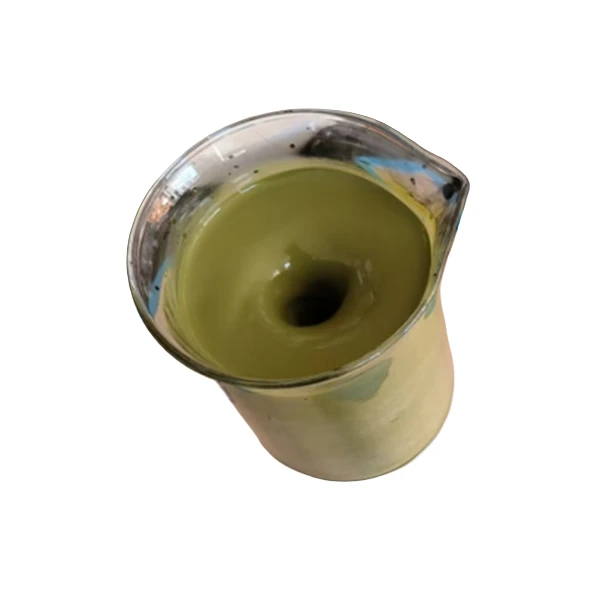

After the surface preparation, the Cationic Epoxy Electrocoat can be applied to the aluminum. The positively charged epoxy particles are attracted to the negatively charged aluminum surface, forming a strong bond. The electrocoat provides excellent corrosion protection for aluminum, making it suitable for applications in the automotive, aerospace, and marine industries.
Zinc
Zinc is often used as a protective coating for steel to prevent corrosion. When Cationic Epoxy Electrocoat is applied to zinc-coated steel, it provides an additional layer of protection. The electrocoat adheres well to the zinc surface, creating a barrier that prevents moisture and oxygen from reaching the steel.
The reaction between Cationic Epoxy Electrocoat and zinc is similar to that of steel. The positively charged epoxy particles are attracted to the negatively charged zinc surface, forming a strong bond. The electrocoat helps to enhance the corrosion resistance of the zinc-coated steel, making it more durable and long-lasting.
Copper
Copper is a highly conductive metal that is commonly used in electrical applications. When Cationic Epoxy Electrocoat is applied to copper, it can provide both electrical insulation and corrosion protection.
The reaction between the electrocoat and copper is similar to other metals. The positively charged epoxy particles are attracted to the negatively charged copper surface, forming a strong bond. The electrocoat creates a barrier that prevents moisture and oxygen from reaching the copper, which helps to prevent corrosion.
Other Metals
Cationic Epoxy Electrocoat can also be applied to other metals such as magnesium, titanium, and brass. However, the reaction between the coating and these metals may vary depending on their surface properties and chemical composition.
For example, magnesium is a highly reactive metal that can be prone to corrosion. To ensure proper adhesion and corrosion protection, the magnesium surface needs to be properly prepared before the electrocoating process. This may involve cleaning the surface and applying a conversion coating.
Titanium is a strong and lightweight metal that is commonly used in the aerospace and medical industries. When Cationic Epoxy Electrocoat is applied to titanium, it can provide excellent corrosion protection and improve the surface finish.
Brass is an alloy of copper and zinc that is commonly used in decorative applications. The electrocoat can be applied to brass to enhance its appearance and provide corrosion protection.
Advantages of Cationic Epoxy Electrocoat
There are several advantages to using Cationic Epoxy Electrocoat on different types of metals.
- Corrosion Protection: One of the main advantages of Cationic Epoxy Electrocoat is its excellent corrosion protection. The electrocoat forms a barrier that prevents moisture and oxygen from reaching the metal, which helps to prevent rust and corrosion.
- Uniform Coating: The electrocoating process ensures a uniform coating thickness on the metal surface. This is important for applications where a consistent finish is required.
- Adhesion: Cationic Epoxy Electrocoat has excellent adhesion to different types of metals. This ensures that the coating stays in place and provides long-lasting protection.
- Environmental Friendliness: Cationic Epoxy Electrocoat is a water-based coating, which makes it more environmentally friendly compared to solvent-based coatings. It also produces less volatile organic compounds (VOCs), which is beneficial for the environment.
Conclusion
In conclusion, Cationic Epoxy Electrocoat is a versatile coating that can react well with different types of metals. Whether it's steel, aluminum, zinc, copper, or other metals, the electrocoat provides excellent corrosion protection and adhesion.
If you're in the market for a high-quality coating for your metal products, I encourage you to consider Cationic Epoxy Electrocoat. It's a reliable and cost-effective solution that can help to extend the lifespan of your metal components.
If you have any questions or would like to discuss your coating needs, feel free to reach out. I'd be happy to help you find the right solution for your specific application.
References
- "Electrocoating Technology: Principles and Practice" by David A. Sikkema
- "Corrosion Protection of Metals" by Pierre R. Roberge
- "Surface Engineering for Corrosion and Wear Resistance" by K. C. Ludema